Have you ever wondered how a simple piece of metal becomes a beautifully detailed belt buckle? From mold making to electroplating, each manufacturing step affects the final appearance, durability, and cost.
Belt buckles are made through material selection, design, mold making, casting or stamping, polishing, plating, assembly, and quality inspection. Zinc alloy die casting is commonly used for custom Western buckles because it can reproduce intricate designs efficiently.
This guide explains the belt buckle manufacturing process and what buyers should check before bulk production.
How Are Belt Buckles Made?
Belt buckle manufacturing involves several steps, depending on the material, design complexity, and production quantity.
Most custom metal belt buckles are produced through design development, tooling, metal forming, trimming, polishing, surface finishing, assembly, and inspection. Each stage contributes to the buckle's appearance and functionality.
The Manufacturing Process
A typical zinc alloy buckle follows these steps:
- Material Selection: Choose zinc alloy, brass, stainless steel, or iron.
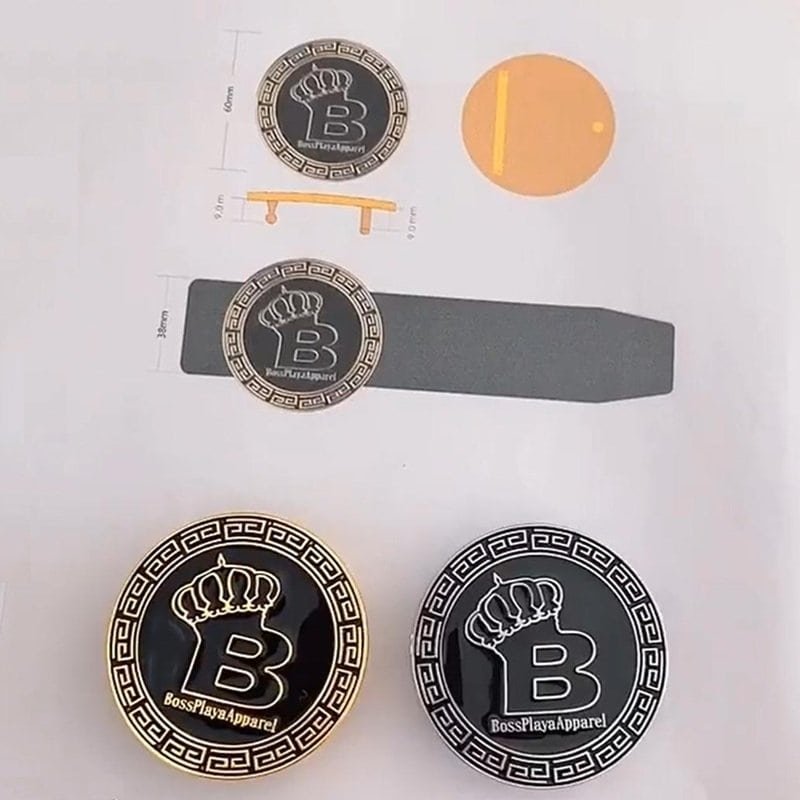
- Design Development: Create technical drawings and confirm dimensions.
- Mold Making: Manufacture a reusable metal die.
- Die Casting: Inject molten metal into the mold.
- Trimming: Remove excess metal and casting defects.
- Polishing: Smooth surfaces and edges.
- Plating: Apply decorative metal finishes.
- Assembly: Install or finish the attachment hardware.
- Quality Inspection: Check appearance, dimensions, and functionality.
The exact sequence may vary depending on the buckle's construction and finishing requirements.
For custom orders, manufacturers normally produce samples for approval before mass production.
What Manufacturing Methods Are Used for Belt Buckles?
Not all belt buckles are manufactured using the same process. The best method depends on the buckle's material, shape, design details, and order quantity.
Common belt buckle manufacturing methods include die casting, metal stamping, wire forming, and hand fabrication. Die casting is especially suitable for detailed decorative buckles, while stamping works well for simpler metal shapes.
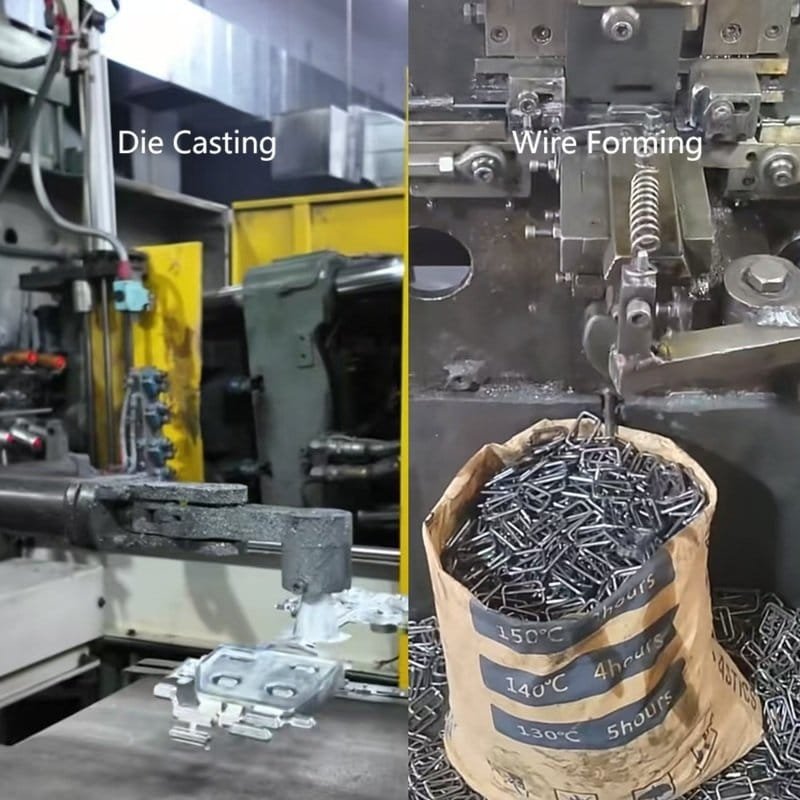
Comparing Manufacturing Methods
| Method | How It Works | Best Applications |
|---|---|---|
| Die Casting | Molten metal is injected into a reusable mold | Decorative Western buckles, custom logos |
| Metal Stamping | Metal sheets are pressed into shapes | Flat buckles, simple designs |
| Wire Forming | Metal wire is bent into buckle frames | Open-frame buckles |
| Hand Fabrication | Metal is shaped, assembled, and decorated manually | Premium and personalized buckles |
Die Casting
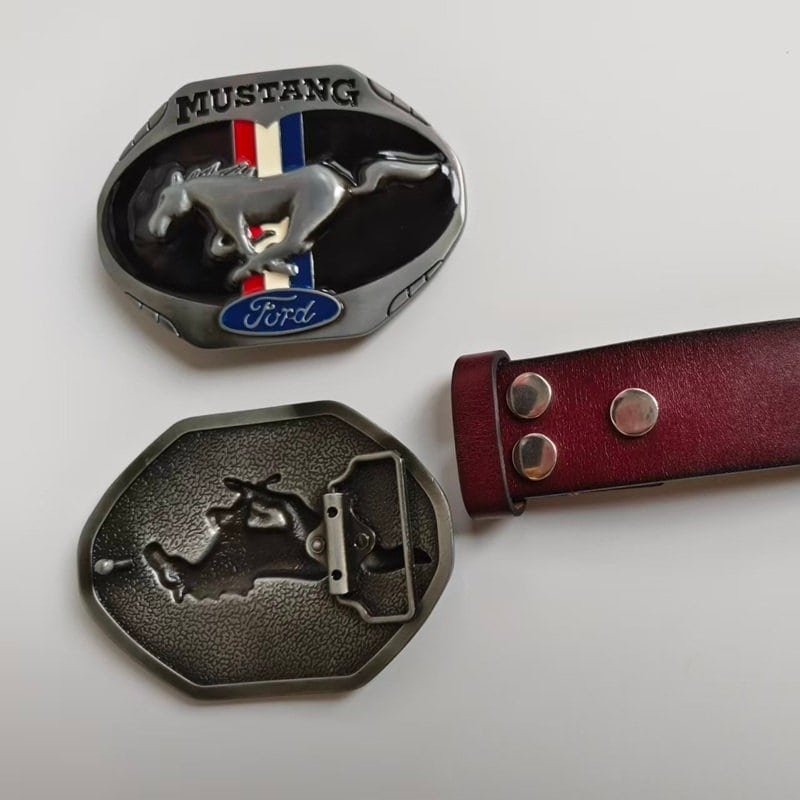
Zinc alloy die casting is widely used for Western buckles featuring horses, eagles, floral patterns, and raised lettering.
It provides consistent shapes and detailed designs for bulk production.
Metal Stamping
Stamping uses a press and tooling to cut or shape metal sheets.
It's suitable for relatively flat designs and can be efficient for large quantities.
Hand Fabrication
Handcrafted buckles may feature engraving, decorative overlays, or stone settings.
These methods offer greater artistic flexibility but generally require more labor.
How Are Custom Belt Buckle Designs and Molds Created?
Before manufacturing begins, the supplier must convert the customer's artwork into a design that can actually be produced.
Custom belt buckle development starts with artwork, technical drawings, and material selection. Manufacturers then create a metal mold that reproduces the buckle's shape, raised details, lettering, and decorative patterns.
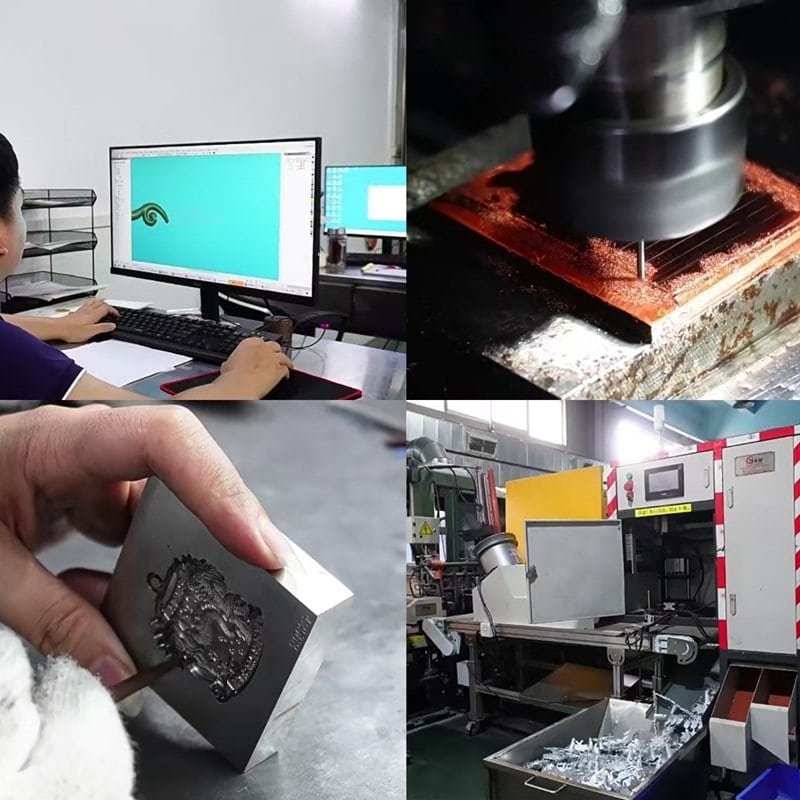
From Artwork to Production Mold
Step 1: Confirm the Design
Customers can provide a logo, drawing, photograph, or physical reference sample.
The supplier evaluates:
- Buckle width, height, and thickness
- Logo size and placement
- Raised and recessed patterns
- Back-loop and hook structure
- Material and surface finish
Fine lettering or extremely narrow recesses may need adjustment to ensure clear casting.
Step 2: Create Technical Drawings
The manufacturer prepares production-ready drawings showing the buckle's dimensions and construction.
These drawings help prevent misunderstandings before tooling begins.
Step 3: Manufacture the Mold
A reusable steel die is created according to the approved design.
The mold must allow molten metal to flow into the cavity, cool properly, and be removed without damaging the casting.
Step 4: Produce a Sample
The factory produces a physical sample for checking design accuracy, dimensions, and surface quality.
At Trimixs, we recommend approving the actual buckle sample before proceeding with bulk production.
How Are Zinc Alloy Belt Buckles Die-Cast?
Zinc alloy is a popular material for custom Western belt buckles because it can reproduce complex shapes and detailed decorative patterns.
Zinc alloy belt buckles are die-cast by injecting molten metal into a closed steel mold under pressure. After cooling and solidification, the mold opens and the raw buckle casting is removed for trimming and polishing.
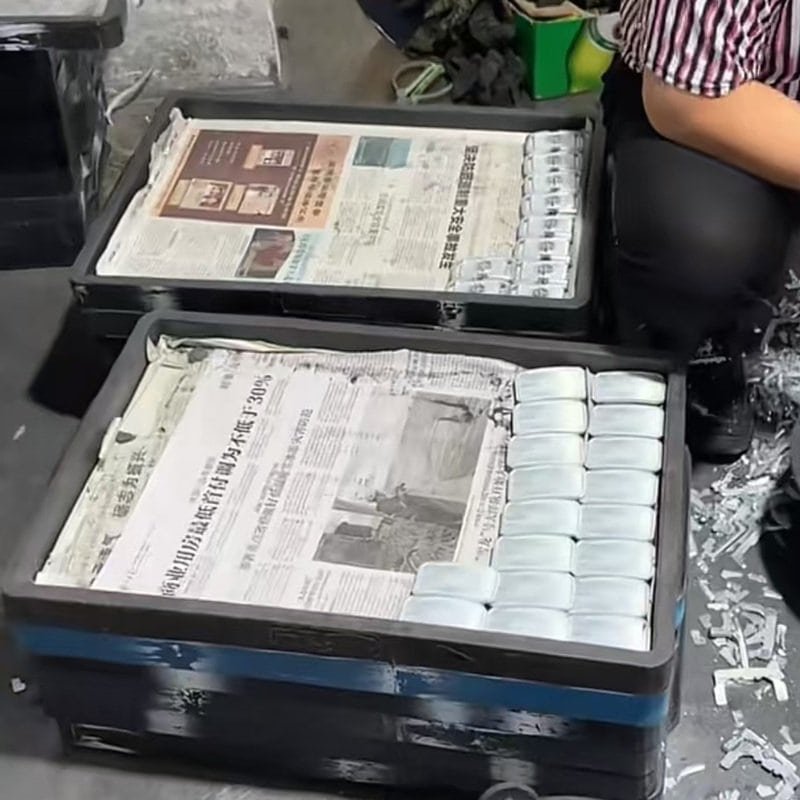
Four Steps in Die Casting
1. Melt the Zinc Alloy
Zinc alloy is heated until it becomes molten and ready for injection.
2. Inject the Metal
The die-casting machine forces molten metal into the closed mold under pressure.
The metal fills the cavity, reproducing the buckle's shape, raised logos, and decorative patterns.
3. Cool and Eject
Once the metal solidifies, the mold opens and ejector pins release the raw casting.
4. Trim and Inspect
Workers remove excess metal, including gates, flash, and rough parting lines.
They also check for defects such as:
- Cracks and pinholes
- Incomplete casting
- Porosity
- Distorted lettering
- Missing decorative details
Defective castings should be identified before polishing and plating, when repairs become more difficult.
How Are Belt Buckles Polished, Plated and Finished?
A raw metal casting usually has rough edges and an unfinished surface. Polishing and plating transform it into an attractive, wearable buckle.
Belt buckles are finished through grinding, polishing, cleaning, electroplating, and optional decorative treatments. Popular finishes include gold, silver, gunmetal, antique brass, and antique silver.
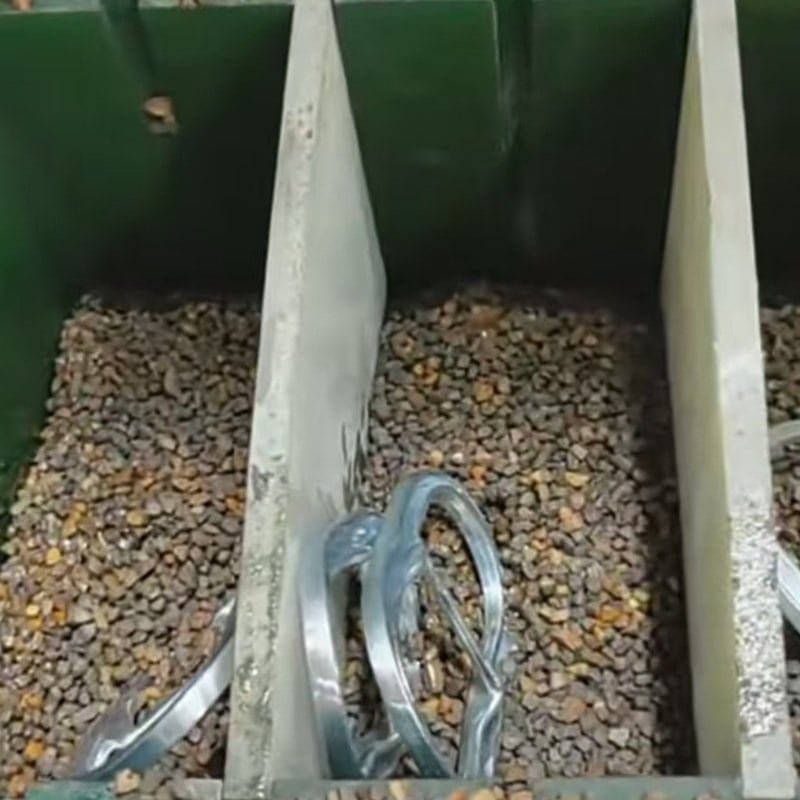
Surface Finishing Explained
1. Grinding and Polishing
Workers remove rough edges, casting marks, and surface imperfections.
Depending on the design, factories may use tumbling, mechanical polishing, or hand buffing.
Good polishing is essential because plating cannot hide every surface defect.
For Western buckles, polishing must preserve fine lettering and raised decorative details.
2. Electroplating
After cleaning and surface preparation, the buckle receives its specified coating system.
Depending on the requirements, this may include copper or nickel underlayers and decorative finishes such as gold-tone, silver-tone, or brass-tone plating.
The base material and plating color are different things.
For example, an antique brass-colored buckle may actually be made from zinc alloy.
3. Antique Finishing
Antique effects are especially popular for Western buckles.
Darker colors are applied to recessed areas, while raised patterns remain brighter.
This creates contrast and makes floral engravings, animals, and lettering more visible.
4. Enamel and Decorative Details
Colored enamel, paint, stones, or decorative ornaments may be added depending on the design.
These treatments allow brands to create more distinctive buckles.
How Are Finished Belt Buckles Inspected Before Shipping?
Even a beautifully finished buckle can cause problems if its dimensions are incorrect or its attachment hardware is weak.
Finished belt buckles should be inspected for casting quality, plating consistency, dimensions, smooth edges, and attachment strength. Approved samples and protective packaging help maintain quality during bulk production and transportation.
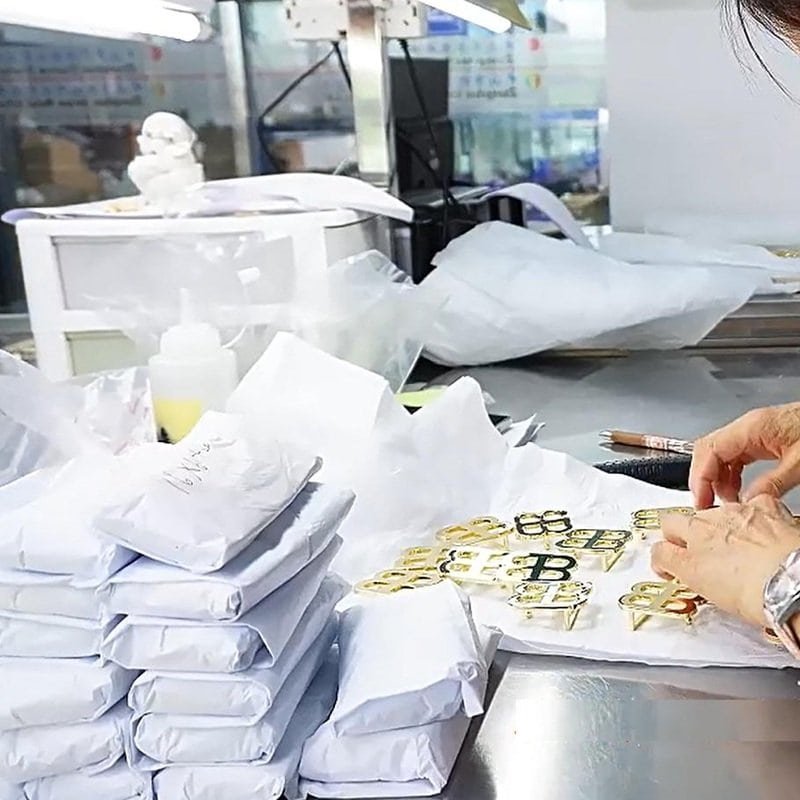
Final Quality Control Checklist
| Inspection Item | What to Check |
|---|---|
| Material | Correct base metal |
| Dimensions | Width, height, thickness, and tolerances |
| Casting | Clear patterns, no cracks or pinholes |
| Polishing | Smooth edges and surfaces |
| Plating | Consistent color, no peeling or bubbles |
| Attachment | Secure hook, loop, or prong |
| Functionality | Fits and fastens on the intended belt |
| Packaging | Protection against scratches |
Why Is Sample Approval Important?
For custom orders, buyers should approve a physical sample made with the intended material, finish, and attachment hardware.
The supplier should retain a reference sample for comparison during bulk production.
Testing the buckle on the actual leather strap can also reveal compatibility problems before shipment.
How Does Trimixs Control Belt Buckle Quality?
At Trimixs, we focus on several important quality details:
- Clear casting and decorative patterns
- Smooth polishing without sharp edges
- Consistent plating colors
- Secure buckle attachments
- Inspection before shipment
- Protective individual packaging
We can also provide product photos and inspection videos before dispatch.
For custom Western belt buckles, our MOQ starts from 300 pieces per design, with various materials, finishes, and logo options available.
Conclusion
Belt buckle manufacturing combines design development, metal forming, polishing, plating, assembly, and quality control.
Zinc alloy die casting is particularly suitable for detailed Western buckles, while stamping and hand fabrication serve different design requirements.
For wholesale buyers, understanding these manufacturing steps makes it easier to evaluate suppliers, approve samples, and maintain consistent quality across bulk orders.