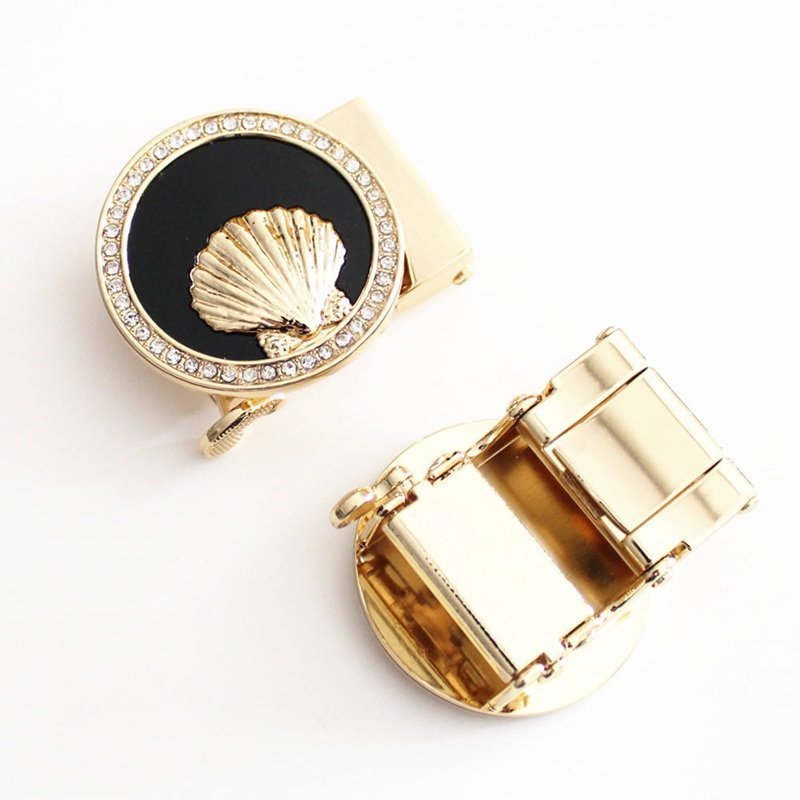
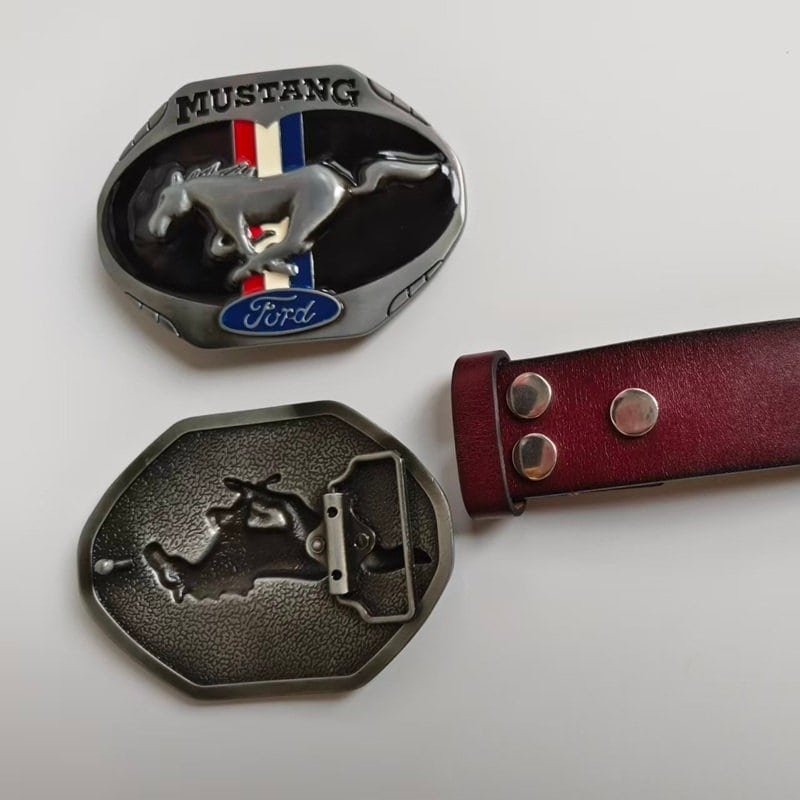
A beautiful Western belt buckle sample doesn't always guarantee good bulk quality. Poor casting, uneven plating, or weak attachments can lead to customer complaints and costly returns.
To evaluate custom Western belt buckle quality, inspect the material, casting details, plating, dimensions, and attachment strength. Approve a physical sample and establish clear quality standards before bulk production.
This guide explains six essential quality checks to help you avoid purchasing mistakes and choose a reliable buckle supplier.
What Makes a High-Quality Western Belt Buckle?
Western buckles are known for their detailed patterns, antique finishes, and decorative designs. However, appearance alone doesn't determine quality.
A high-quality Western buckle should have clearly defined patterns, smooth edges, durable plating, accurate dimensions, and a secure attachment structure. It should also match the approved sample throughout bulk production.
Four Signs of Good Buckle Quality
1. Clear Decorative Details
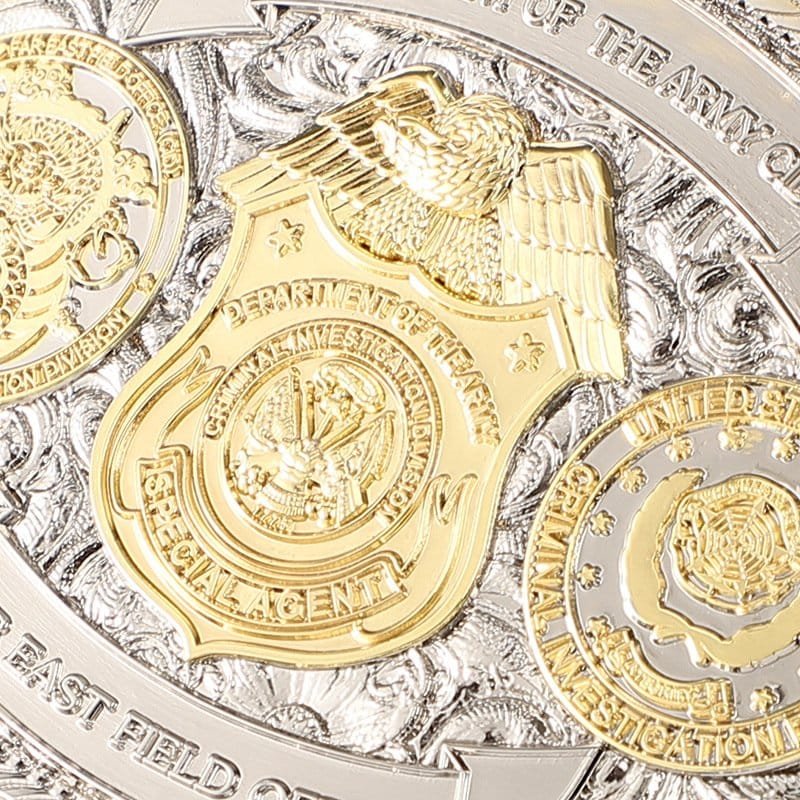
Examine raised lettering, floral patterns, rope borders, and engraved logos. Details should be sharp and consistent, without missing sections or distorted shapes.
2. Smooth Edges
Check the buckle's front, sides, and back. Sharp edges or rough surfaces may scratch the leather belt or irritate the wearer.
3. Consistent Finishing
The plating should be even, without peeling, bubbles, or unexpected color differences.
4. Strong Construction
The back loop, hook, and decorative components should be securely attached.
For wholesale buyers, these details affect not only appearance but also customer satisfaction and repeat orders.
How Can You Check the Material and Casting Quality?
The base material affects the buckle's strength, weight, manufacturing cost, and design possibilities.
Check whether the buckle is made from zinc alloy, brass, stainless steel, or iron. Then inspect the casting for cracks, pinholes, incomplete details, and surface defects.
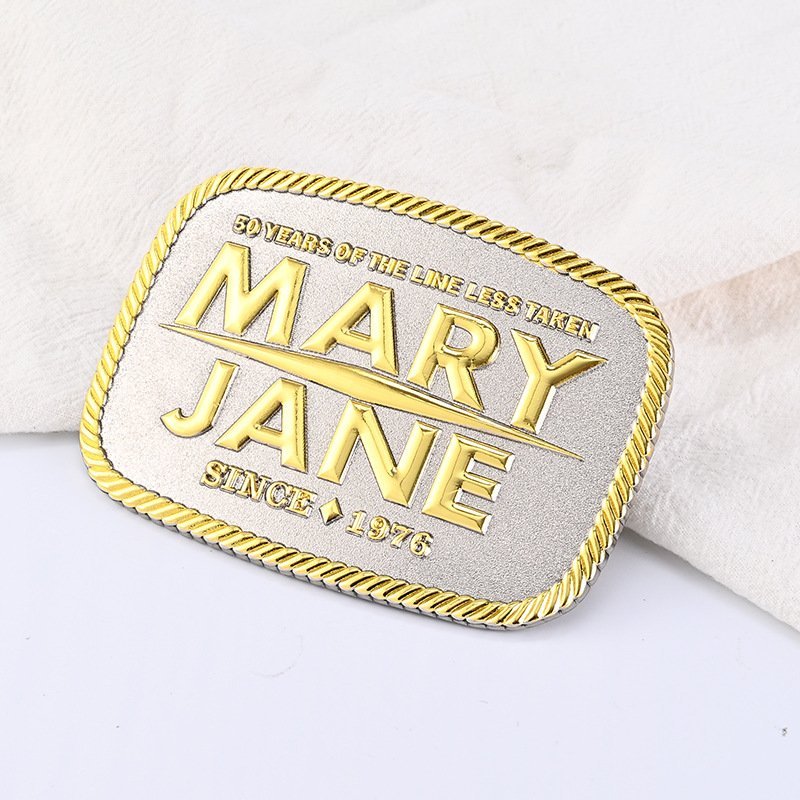
Choosing the Right Material
| Material | Advantages | Common Applications |
|---|---|---|
| Zinc Alloy | Cost-effective, excellent for detailed die-casting | Decorative Western buckles |
| Brass | Durable, premium appearance, suitable for antique styles | Premium and vintage buckles |
| Stainless Steel | Strong, corrosion-resistant | Simple or modern buckle designs |
| Iron | Affordable, suitable for stamping | Basic or economical buckles |
Zinc alloy is particularly popular for custom Western buckles because it can reproduce complex 3D designs, including horses, eagles, floral patterns, and raised logos.
However, even good materials can produce defective buckles if the manufacturing process isn't properly controlled.
How to Inspect Casting Quality
Look closely at the following areas:
- Raised patterns: Details should be complete and clearly defined.
- Recessed areas: Check for pinholes, porosity, and rough surfaces.
- Lettering and logos: Confirm spelling, proportions, and placement.
- Buckle edges: Look for cracks, burrs, or incomplete casting.
- Decorative components: Ensure ornaments and stones are securely attached.
For custom designs, compare the actual casting with your approved artwork.
A clear design in a digital rendering doesn't guarantee the same detail in a finished metal buckle.
How Do You Evaluate Plating and Antique Finishes?
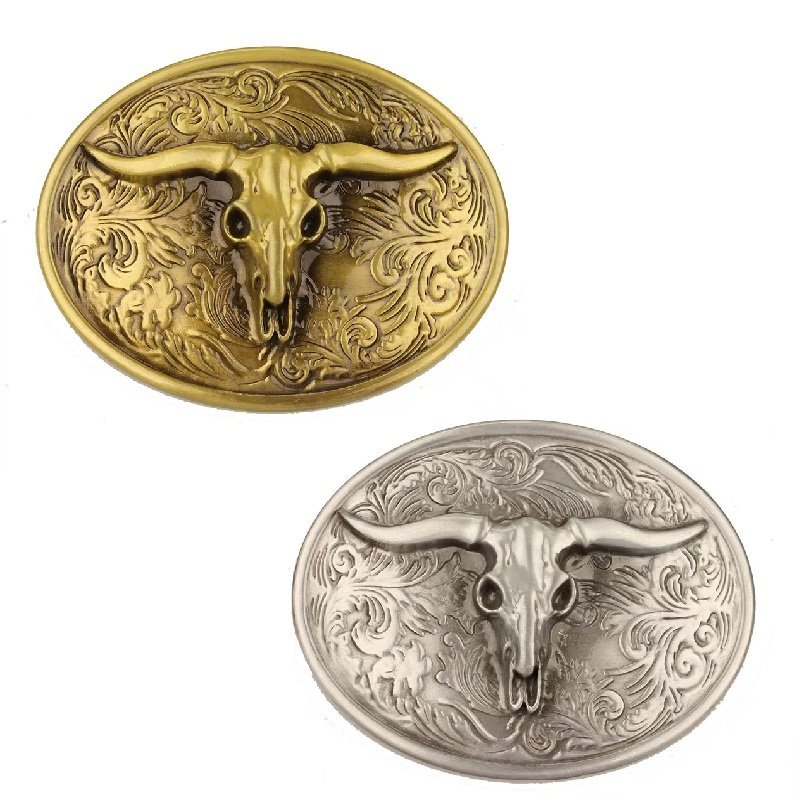
Western buckles commonly feature antique silver, antique brass, gold, or gunmetal finishes. Poor plating can make even a beautifully designed buckle look cheap.
Evaluate plating by checking color consistency, surface smoothness, coating adhesion, and resistance to wear. For antique finishes, approve the expected color and darkening effect before production.
What Should You Look For?
1. Plating Consistency
Examine the buckle under consistent lighting.
Check for uneven colors, scratches, bubbles, peeling, or exposed base metal.
2. Antique Finishing
Antique Western buckles often have darker recessed areas and polished raised patterns.
Some variation is normal, but excessive differences can make products look inconsistent.
Ask your supplier to keep an approved finish sample for comparison during production.
3. Polishing Quality
Smooth polishing improves both appearance and comfort.
Pay attention to corners, recessed patterns, and the back of the buckle, where defects can be overlooked.
4. Plating Durability
For larger orders, consider requesting appropriate coating adhesion, abrasion, or corrosion-resistance tests.
Agree on the test method and acceptance criteria with your supplier. A salt spray test result alone doesn't guarantee long-term performance under everyday conditions.
How Can You Check Buckle Dimensions and Attachment Strength?
A Western buckle may look perfect but still fail if it doesn't fit the intended leather belt.
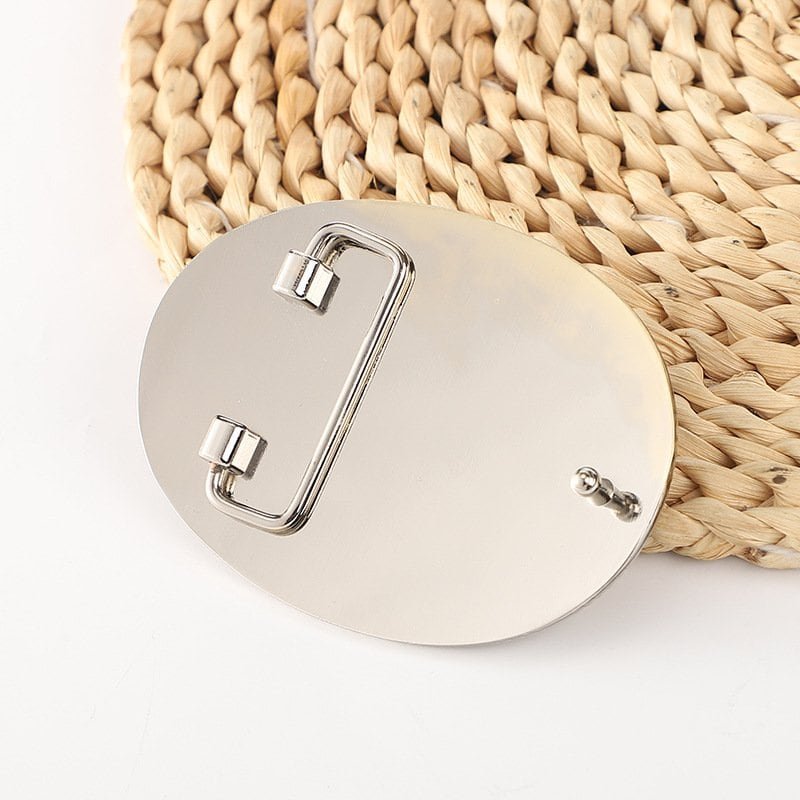
Check the buckle's width, height, thickness, weight, back-loop opening, and hook position. Test the actual buckle on your production belt to confirm secure fastening and comfortable wear.
Three Important Checks
1. Measure the Buckle Dimensions
Ask your supplier for a dimensioned drawing showing:
- Overall width and height
- Buckle thickness and curvature
- Back-loop opening
- Hook position and dimensions
- Approximate buckle weight
Many Western buckles are designed for 1.5-inch (38 mm) leather straps, but the actual attachment opening determines compatibility.
2. Inspect the Attachment Structure
Check whether the back loop and hook are securely attached and properly aligned.
Look for cracks, loose connections, or sharp edges.
The hook should engage the belt hole securely without excessive movement.
3. Test the Buckle on the Actual Belt
Install the sample on the leather strap you plan to use.
Check whether the belt fits through the loop, the hook fastens correctly, and the buckle sits comfortably.
Large decorative buckles may require reinforced belt ends to reduce twisting and stress.
What Should You Inspect Before Approving a Pre-Production Sample?
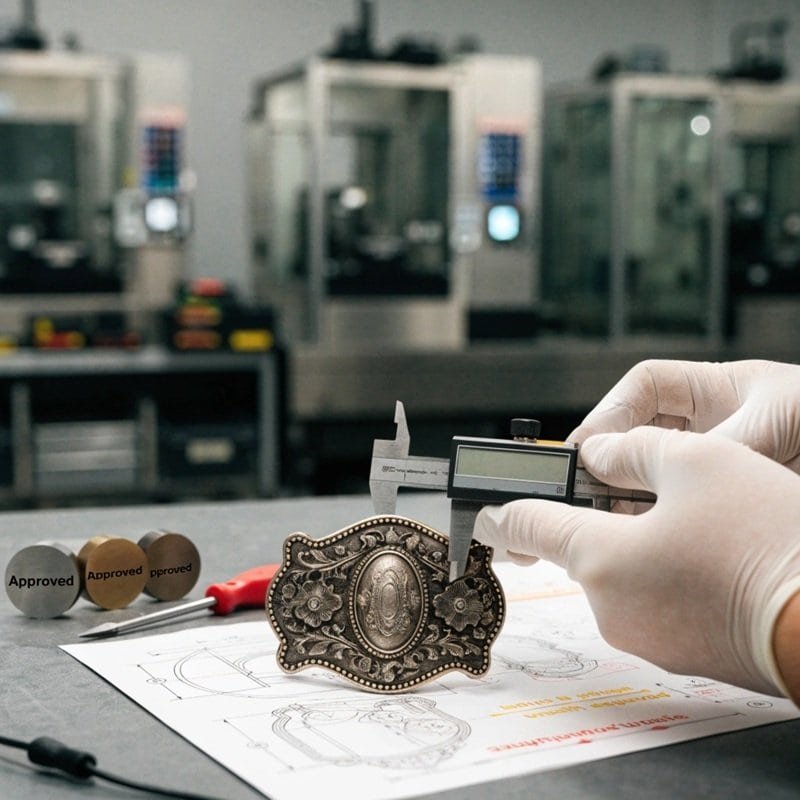
Approving a physical sample is one of the most important steps before bulk manufacturing.
Before approving a pre-production sample, compare its material, dimensions, logo details, plating, attachment structure, and packaging with your specifications. Test its fit and functionality on the intended belt.
Pre-Production Sample Checklist
| Inspection Item | What to Check |
|---|---|
| Material | Correct base metal |
| Design | Accurate logo, lettering, and decorative details |
| Dimensions | Matches approved drawing and tolerances |
| Surface | Smooth edges, no visible casting defects |
| Plating | Correct color and antique effect |
| Attachment | Secure back loop and hook |
| Function | Fits and fastens on the intended belt |
| Packaging | Protects buckle from scratches |
Don't approve a sample simply because it looks attractive.
Take photographs, record measurements, and confirm any corrections before production begins.
For custom buckles, clarify whether the supplier will retain an approved reference sample.
This makes it easier to compare future production batches and repeat orders.
How Can You Maintain Consistent Quality in Bulk Production?
A perfect sample doesn't guarantee that every buckle in a bulk order will have the same quality.
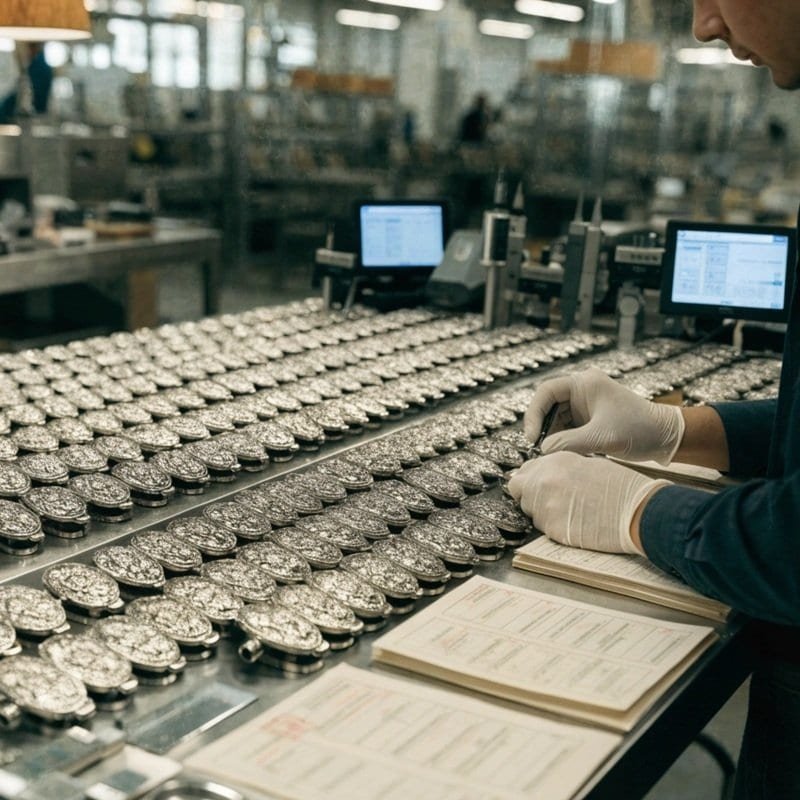
To maintain consistent bulk quality, establish written specifications, retain an approved reference sample, conduct in-process inspections, and agree on defect acceptance standards before production.
Four Ways to Reduce Quality Problems
1. Establish Clear Quality Standards
Define acceptable dimensional tolerances, surface defects, plating differences, and attachment requirements.
For example, sharp edges, incorrect logos, loose hooks, and peeling plating should be treated as serious defects.
2. Keep an Approved Reference Sample
Both buyer and supplier should retain matching approved samples.
Any changes to materials, dimensions, or finishes should require approval before production continues.
3. Request Inspection Records
Ask your supplier to conduct inspections during production and before shipment.
For larger orders, consider agreeing on a random sampling plan with clear acceptance and rejection criteria.
4. Check Packaging Before Shipment
Western buckles often have raised ornaments and detailed surfaces that can be scratched during transportation.
Individual protective bags, suitable separators, and secure cartons can help prevent damage.
Why Choose Trimixs for Custom Western Belt Buckles?
At Trimixs, we understand that wholesale buyers need consistent quality, not just attractive samples.
We offer:
- Custom Designs: Zinc alloy die-casting, personalized logos, and various plating finishes.
- Low MOQ: Custom Western buckles from 300 pieces per design.
- Stock Options: Selected ready-made Western buckles available from 10 pieces.
- Quality Inspection: Attention to casting details, polishing, plating, and attachment construction.
- Inspection Photos and Videos: Customers can review finished products before shipment.
- Flexible Sourcing: A wide range of Western buckle styles for wholesalers and fashion brands.
Our goal is to help buyers reduce sourcing risks and develop reliable long-term supply relationships.
Evaluating custom Western belt buckle quality requires more than checking appearance. Material, casting, plating, dimensions, attachment strength, and bulk consistency all matter.
Before placing a large order, approve a physical sample, test it on your actual belt, and establish clear inspection requirements with your supplier.
A reliable supplier should be able to reproduce the approved quality consistently—not just make one beautiful sample.